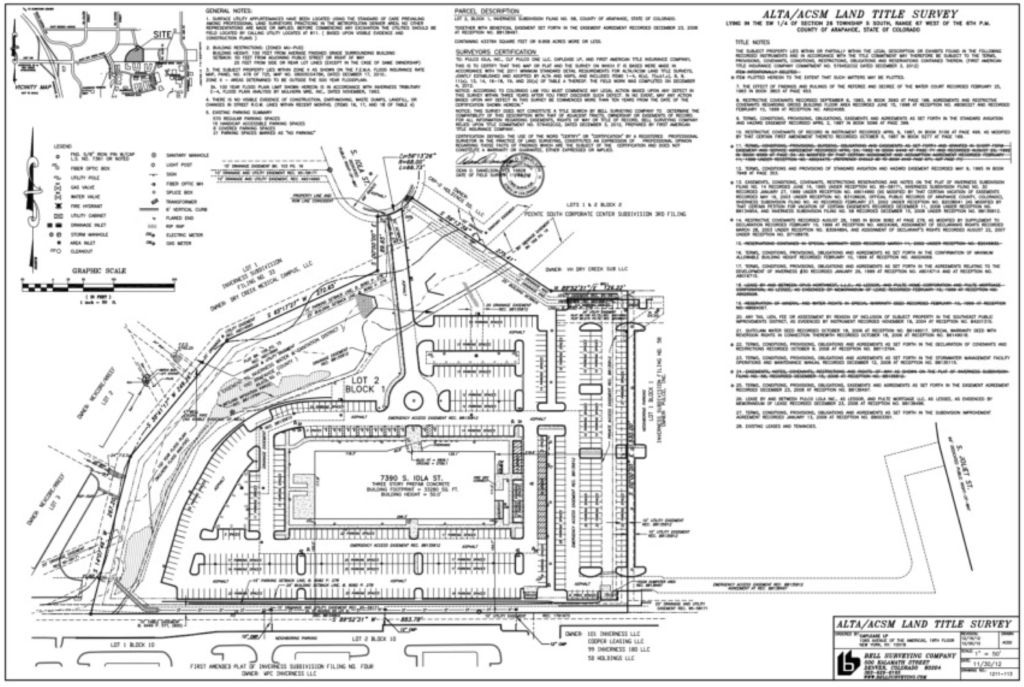
Iola
Metro Adjacency + Scalable Hall Leasing
NexEdge’s metro‑adjacent design gives operators immediate access to interconnected sites across Denver and Colorado Springs, enabling flexible deployment strategies that balance proximity, performance, and resilience. With scalable hall leasing options that support rapid initial occupancy and seamless expansion, tenants can grow capacity on their terms—adding halls, increasing density, and extending into additional sites without operational disruption. This model delivers the agility modern compute environments demand, backed by predictable phasing and a unified commercial framework.
1. Cooling Evolution
Introduce direct-to-chip capacity as rack density increases; closed-loop emphasis to minimize water intensity in Phase 2
2. Power Deepening
Deepen standby generation + add firming assets (fuel cell capable) in Phase 2; UPS stack expansion concurrent with MW growth
3. Network Integration
Tie into Inverness campus spine + metro interconnect; BMS/EPMS readiness for full remote monitoring
4. Operations
Dock/roll-up access + clearances designed for large-format hardware moves; loading capacity compatible with AI cluster deployments
Capacity & Phasing
NexEdge is engineered for fast entry today and predictable expansion tomorrow, offering a clear path from initial deployment to full platform‑level scale. Phase 1 delivers rapid access to critical IT load across all sites, while Phase 2 unlocks a combined 30MW of capacity with enhanced power, cooling, and density options. This phased approach gives operators the flexibility to grow without re‑platforming, renegotiating, or disrupting existing workloads.
1.0MW
Phase 1 Critical IT after PUE 4 fast deployment
7.5MW
Phase 2 Critical IT after PUE 4 full hall build-out

Hall Expansion Model
The Hall Expansion Model is designed to give operators a clear, predictable path to scale—starting with a live initial hall, followed by seamless add‑on capacity, and culminating in full multi‑hall build‑out. This phased approach ensures fast deployment in Phase 1 and smooth growth into higher‑density, AI‑ready environments as demand increases, all without re‑platforming or disrupting existing workloads.